
KENYA NEWS
22-08-2026 by Freddie del Curatolo

For almost a month, it has been one of the most disturbing cases in wildlife conservation in Kenya. Since the end of June, a series of sudden elephant deaths in the Amboseli ecosystem had alarmed biologists, the authorities and tour operators, particularly as initial tests had detected traces of cyanide, though they had failed to explain how the substance had ended up in the animals’ habitat.
Now, following the arrest of two farmers in Kajiado County, investigators from the Kenya Wildlife Service (KWS) believe they are closer to establishing what happened. The two men are suspected of having played a part in the poisoning, which has since brought the death toll among elephants to 18. The investigation is still ongoing and no formal charges have been laid, but this marks the first concrete breakthrough since the inquiry began.
A case that had shocked Kenya
The incident had also caused great concern because Kenya is considered one of the African countries that has been most successful in protecting its elephant population in recent years – rising from fewer than 17,000 in the 1980s to over 36,000 today, thanks to the fight against poaching and conservation programmes. However, human-wildlife conflict remains one of the main causes of elephant mortality after poaching.
The carcasses were found between the Kimana Sanctuary and the community areas surrounding Amboseli National Park, a region where elephants frequently venture beyond the protected area’s boundaries to forage in cultivated fields, particularly during the dry season.
Veterinary examinations had revealed symptoms consistent with acute poisoning: paralysis, breathing difficulties and the presence of tomatoes and watermelons in the animals’ stomachs. Preliminary analyses had detected traces of cyanide, but KWS experts themselves had urged caution, emphasising that the origin of the toxic substance remained to be determined.
Farmers’ protests
In the weeks that followed, local farmers firmly rejected all accusations. Many explained that cyanide is not among the products normally used in tomato and vegetable cultivation in the region, and pointed out that they have been living alongside elephants for decades, despite often suffering severe damage to their crops.
Farmers’ organisations had also pointed out that cattle and goats graze in the same fields without showing any similar symptoms, and had called for the investigations not to focus exclusively on agricultural activities.
A turning point in the investigation
The arrest of the two farmers could represent the missing piece in piecing together the sequence of events. Investigators are trying to establish whether the cyanide was used deliberately or whether it was the result of the misuse of toxic substances intended for other purposes.
For the time being, the authorities are maintaining the utmost discretion and are awaiting the final results of the laboratory tests before bringing specific charges. The fact remains, however, that after weeks of conflicting hypotheses and theories, the investigation appears to have taken a clearer direction.
An increasingly fragile balance
Beyond individual responsibilities, the case highlights one of Kenya’s most complex issues: the coexistence of agricultural growth and wildlife conservation.
The Amboseli ecosystem, famous for its elephants roaming against the backdrop of Mount Kilimanjaro, is also one of the country’s main tourist destinations. Yet it is precisely along its borders that increasingly extensive farmland is concentrated, leading to inevitable contact between humans and animals.
For this reason, environmentalists have long been calling for investment in effective fencing, early-warning systems and financial compensation schemes for farmers, in the belief that only by reducing the conflict between local communities and wildlife can further tragedies, such as the one that befell the elephants of Amboseli, be avoided.


KENYA NEWS
by Freddie del Curatolo

Concerns continue to mount over the mysterious elephant die-off that has been affecting the Amboseli...
WILDLIFE
by redazione

Some of the most eminent international zoologists and conservationists called in a letter published in...
WILDLIFE
by redazione

The figures presented by ICEA, Lion General Insurance Company at the Kenya Wildlife Service are clear, this year has reached the 100 mark lions killed in the bush of Kenya.
NATIONAL PARKS
by Leni Frau
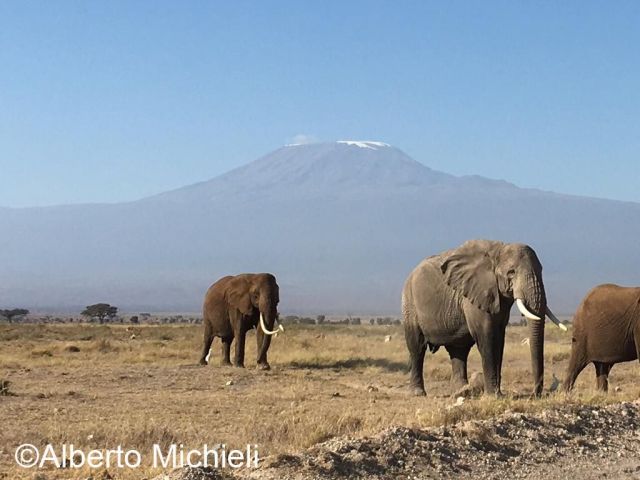
Amboseli National Park is one of Kenya's most popular parks and we can say that one of the ...
KENYA NEWS
by Freddie del Curatolo

The mystery deepens, but the solution seems to be drawing nearer and converging on a single...
WILDLIFE
by Freddie del Curatolo

Fourteen elephants have died in just three weeks. A massacre – a figure that has Kenya on edge...
WILDLIFE
by redazione

Since the beginning of the year, a devastating phenomenon of wild animal poisoning has not...
SAVANNAH
by Leni Frau
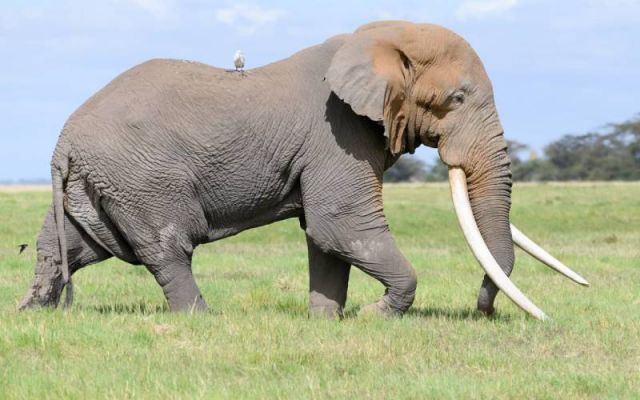
One of Kenya's largest and most famous elephants, known as Tim, died yesterday at the age...

No tourists, more time and privacy to "have sex," but that's not all.
This...
ENVIRONMENT
by Freddie del Curatolo
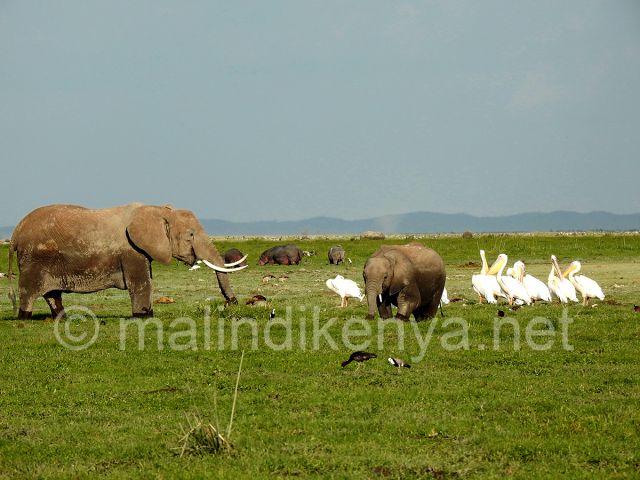
Called "the safari lounge," Amboseli National Park is famous not only for giving the view of Kilimanjaro from...
ENVIRONMENT
by Freddie del Curatolo
NEWS
by Leni Frau

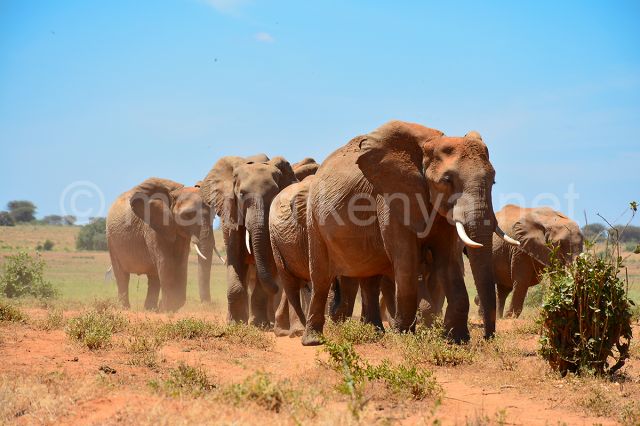
At least two families of elephants from Tsavo East and the Galana Conservancy have left the park...
NATIONAL PARKS
by redazione

There are 64 parks and national reserves in Kenya, which is the country of the world with the widest variety of animal species in the wildside.
Even the vegetation varies from park to park and with it the microclimate and...


