
TALES
25-10-2025 by Michele Senici

The aeroplane, like a cunning flamingo, rests its legs on the wet runway at Nairobi airport. The rain has just stopped falling, the sun has not yet risen and the air is cold and crisp. Sofia and Lorenzo disembark from the Dreamliner ready to take on the world.
They shake hands, sleepy, as they walk down the runway.
They are young, charming and in excellent health.
They haven't thought about marriage yet, but for now, life together seems wonderful to both of them.
They have come from far away, with heavy sweatshirts and swimsuits in their suitcases and an irrepressible desire for authenticity in their hearts.
Waiting for them outside the airport is a Land Cruiser with a full tank and its driver, Juma. The itinerary has already been set, because it seems that authenticity cannot be found in improvisation.
The off-road vehicle leaves Embakasi behind and is already speeding westwards, ready to race past the Kibera slum, which the so-called motorway cuts in two.
It is a shock, a moment.
Thousands of shacks piled on top of each other with cold light bulbs illuminating their doors made of pieces of sheet metal.
A few children drag yellow bins while murky, sickly smoke rises from fires burning inside worn-out tyres.
The two boys, wrapped in their sweatshirts to combat the unexpected cold, gasp. What was that?
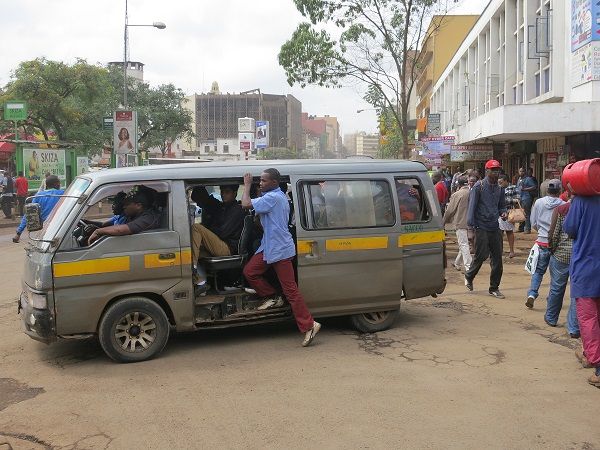
A matatu, one of those hellish buses covered in graffiti, with music blaring at deafening volume, overtakes their car, almost flying.
The two gasp again and now smile. Everything is fine, they are in Africa.
The road runs unperturbed under the wheels of the Land Cruiser and the city gives way to expanses, first green and then arid like the desert, which line the strip of asphalt that unfurls from Nairobi to Narok.
The Mara gate now stands tall and mighty in front of them.
That is the gateway to the most authentic authenticity: beyond that threshold, everything becomes ancestral, rebellious, sanguine. Outside, man; inside, beasts.
Sofia and Lorenzo know this well, which is why they are there and, to be honest, they can't wait.
Lions, giraffes, zebras, zebras eaten by lions, giraffes hunted by cheetahs.
Towering acacia trees and pools of water that turn silver at sunset.
Gazelles, dik-diks, baboons, savannah as far as the eye can see, kisses mixed with red earth, photographs and coffee drunk on camping chairs leaning against a hill.
Juma accompanies them thoughtfully, attentively and kindly through all that life and death, explaining every detail: his kindness is the perfect backdrop for that raw and amazing piece of land that is the Mara, today, for the two young people.
He also accompanied them to that dilapidated school where Lorenzo carried two children on his shoulders and Sofia took dozens of photos while distributing packets of biscuits.
That, they think, is one of the most real and heart-wrenching experiences they have ever had.
And it was evening, and it was morning. And again it was evening, and again it was morning.
The safari is over, the road to Nairobi is still long, but the hearts of those two young people are still overflowing with wonder: they certainly do not imagine that the deepest and most radical authenticity is about to visit them.
Arriving in Nairobi well in advance of their flight to the coast, Juma invites them to accompany him on some errands.
The two, after weighing up their options, decide that they can afford a short break from the Authenticity between the savannah and the sea.
So Juma parks in the basement of a large mall.
He has to do a little shopping before going home.
The Carrefour is huge and full of all kinds of people. Kenyan women in suits, elderly white people with Tusker bellies, children still in school uniforms with their nannies, office workers and businessmen grabbing a Red Bull before returning to the office. The shelves are full of products, both local and Italian. Some prices are ridiculously low, others are frightening.
They return to the off-road vehicle and in a moment they are parked on the side of a paved road, behind the one- or two-storey brick buildings that line the street, with shacks as far as the eye can see.
The two huddle against the side of the car. Juma has stopped by the mechanic to pay for some overdue work. Lorenzo and Sofia listen, somewhat frightened, to the life going on around them.
A well-dressed woman talks on the phone and asks her tenant to pay the rent on time this month. Two boys chat about a concert they are going to on Saturday.
A man complains to the girl cooking chapati on the street that the price has gone up again, by five shillings.
Almost without noticing, they are back in the Land Cruiser, which is now parked in the courtyard of a four-storey horseshoe-shaped building.
They are at Juma's house, who leaves his shopping and says goodbye to his wife before driving them to the airport. A couple argues in a third-floor flat while a mother scolds her son for not doing his homework again, earning himself a note.
A woman hangs out her washing on the second floor and a young couple kiss at the door before he gets on his motorbike.
Someone is on the phone with customers who are coming to Kenya for a safari, a man is snoring in a studio flat on the ground floor, the door ajar.
As the metal flamingo takes flight towards the coast, Sofia looks down.
She no longer thinks only of lions but also of the woman on the phone, the child's homework, the laundry fluttering between the buildings.
She thinks how their life - except for the savannah - is not so different from that kiss at the door, from the hurried shopping at the supermarket, from the rent to be paid on time.
She opens the notes on her phone and deletes the one titled “the most authentic Kenya”, where every day she jotted down ideas for the Instagram post she would write when she got back.
Lorenzo looks at her and agrees.
‘So no post?’ asks Lorenzo.
‘No,’ she replies. ‘No captions this time.’
The flight takes off. From above, everything looks orderly, even simple. Perhaps authenticity doesn't really exist, thinks Sofia, only life exists — and that's enough for today.
••• Michele Senici, 1993. Educator, teacher, project coordinator. I opened Casa Hera in Diani because I didn't know where to continue my life. Do I understand it now? Certainly not, but that's okay, at least I observe, think and write.


NEWS
by Freddie del Curatolo
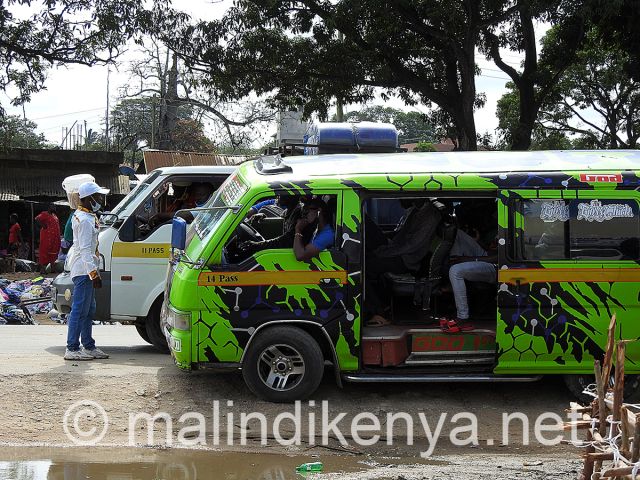
The holidays are approaching in Kenya, which for local residents also coincide with the summer...
NEWS
by redazione
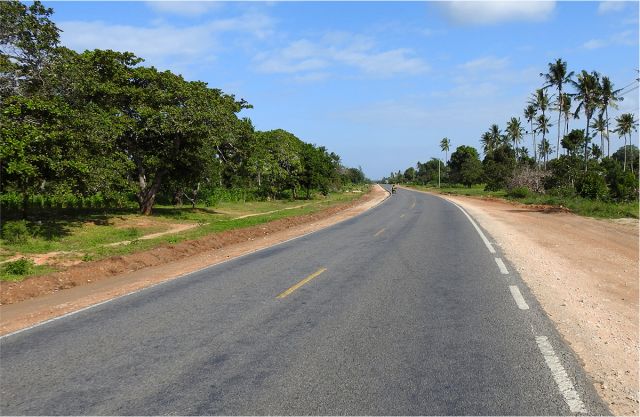
A matatu unleashed at high speed inexplicably into the lane opposite the one of its relevance crashed into an ...
NAIROBI EVENTS
by redazione

An evening of Italian gin tastings inspired by the publication of the book by Freddie del Curatolo and...
FREDDIE'S CORNER
by Freddie del Curatolo
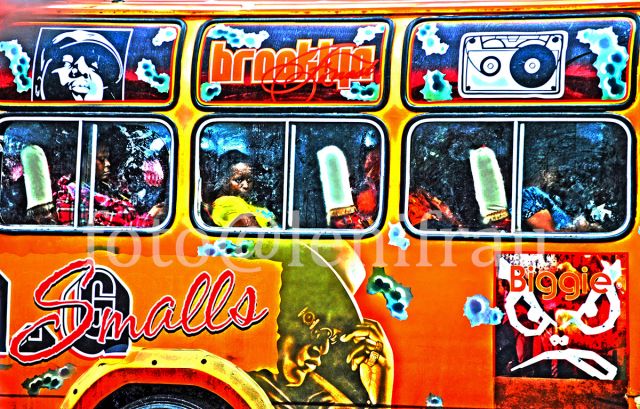
Nairobi's anarchy is a form of self-management in constant motion. The matatu are certainly the...

NEWS
by Freddie del Curatolo

One of the most evocative images of Africa "on the road" sees a matatu, the classic 14-seater minibuses that take...
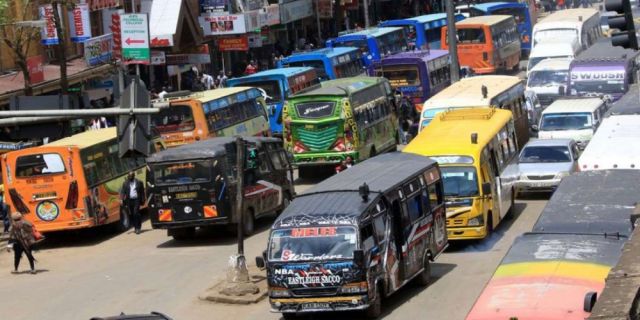
In order to prevent a possible Coronavirus epidemic also in its own country, the Government of ...
NEWS
by redazione
Kenya is currently considering, towards the end of August, loosening most of the restrictions still...


