
VEGETABLES
27-07-2025 by redazione

Among the many leafy vegetables that Kenyans usually eat (and are often forced to eat due to their precarious economic conditions), the least known to those who visit this country is undoubtedly “mrenda,” or jute leaves.
In fact, after the more famous mchicha (similar to catalogna) and sukuma wiki (literally ‘push away the week’, more like spinach and chicory), and a little like managu, or mnavu and the very bitter Mchunga, jute leaves are increasingly found in Kenyan dishes, despite their particular taste and, above all, their slightly slimy nature.
For this reason, they work best when mixed with other vegetables or as a thickener in soups, stews, or spicy dishes. In salads, on the other hand, due to its texture, it is often combined with lemon juice. From Egypt, where it has always been consumed, to Nigeria, there are national dishes, particularly soups. In Kenya and Tanzania, where it is abundant, it tends to be combined with other vegetables.
Jute leaves tend to have a bitter taste, although their flavor can vary depending on their freshness. Those harvested when young are generally more tender and flavorful, while older leaves can be more earthy and fibrous.
However, jute has many positive qualities: it is very low in calories and contains numerous important vitamins and minerals, including vitamins A and C, riboflavin, folic acid, calcium, magnesium, and iron. For young people, and mothers who still cultivate vegetable gardens and follow their parents' traditions know this, chewing jute or finding it in sauces and soups can mean the hope of growing up healthier, without spending money they don't have.
Not only that, but jute leaves have the highest concentration of omega-3 fatty acids of all the vegetables and herbs examined in studies. This is quite unusual for a food that is not fish, nuts, or vegetable oil.
What's more, cooked jute seems to offer higher concentrations of these vitamins and minerals. This is partly because a plate of cooked jute leaves contains about three times the number of leaves, which also contain lycopene, an antioxidant that protects cells from oxidative damage that increases the risk of disease.
In addition to culinary uses, jute leaves have been used for medicinal purposes in Ayurvedic medicine for centuries.


KENYAN PRODUCTS
by redazione

For those who love vegetables, and especially leafy vegetables, East Africa is a bit of paradise. Once...
VEGETABLES
by Leni Frau

Some call it 'African Nightshade', but its scientific name is 'Solanum...
LOCAL PRODUCTS
by Leni Frau

VEGETABLES
by Leni Frau

Often on the stalls of the local markets of the coast of Kenya find a variety of vegetables that may look like small zucchini, but then if you see it up close, with its grooves and shape slightly elongated, understand...
KENYA RECIPES
by redazione

In Kenya, and more specifically on its coast, in the wet season from April to July, the local people are used...
FREDDIE'S CORNER
by Freddie del Curatolo

We know mud well.
We live in the mud every...
by redazione

Even the Kenyan coast has its 'zimino'. The dish of fish and leafy vegetables, which in...
LOCAL RECIPES
by redazione
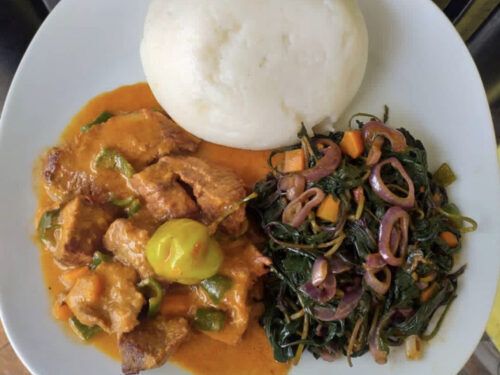
It is the Kenyan national dish, maize flour polenta (white) with an accompanying side dish with tomato...

Thanks to the incredible ‘raw material’ that a diverse and fertile land like Kenya can offer, local...
TRADITIONAL FOOD
by redazione
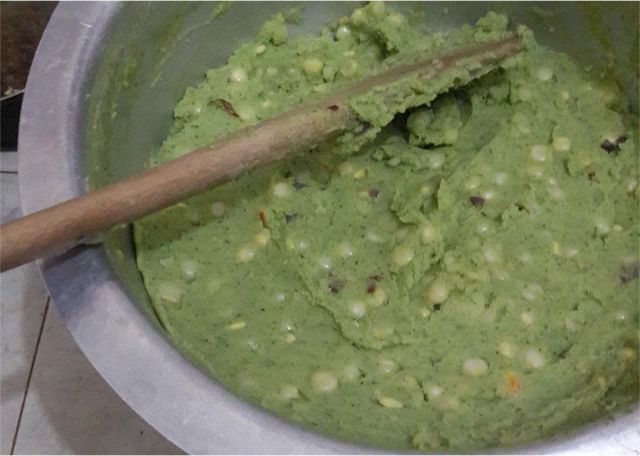
Mukimo is a traditional side dish from the central regions of Kenya.
It is...
PRODUCTS
by Leni Frau

Some adore it, some hate it. Some even abuse it, as in the case of the Swahili population of the coast, and...
KENYA RECIPES
by Leni Frau

Those who frequent Kenya will surely have heard the name ‘Tilapia’ and will often have found it on...


